Commercial Asbestos Abatement in Wichita Falls
Commercial asbestos abatement is the planned control, removal, encapsulation, or repair of asbestos-containing materials in business, industrial, institutional, and multi-tenant buildings. Owners and managers need it for renovations, maintenance, tenant improvements, damaged materials, and regulatory compliance.
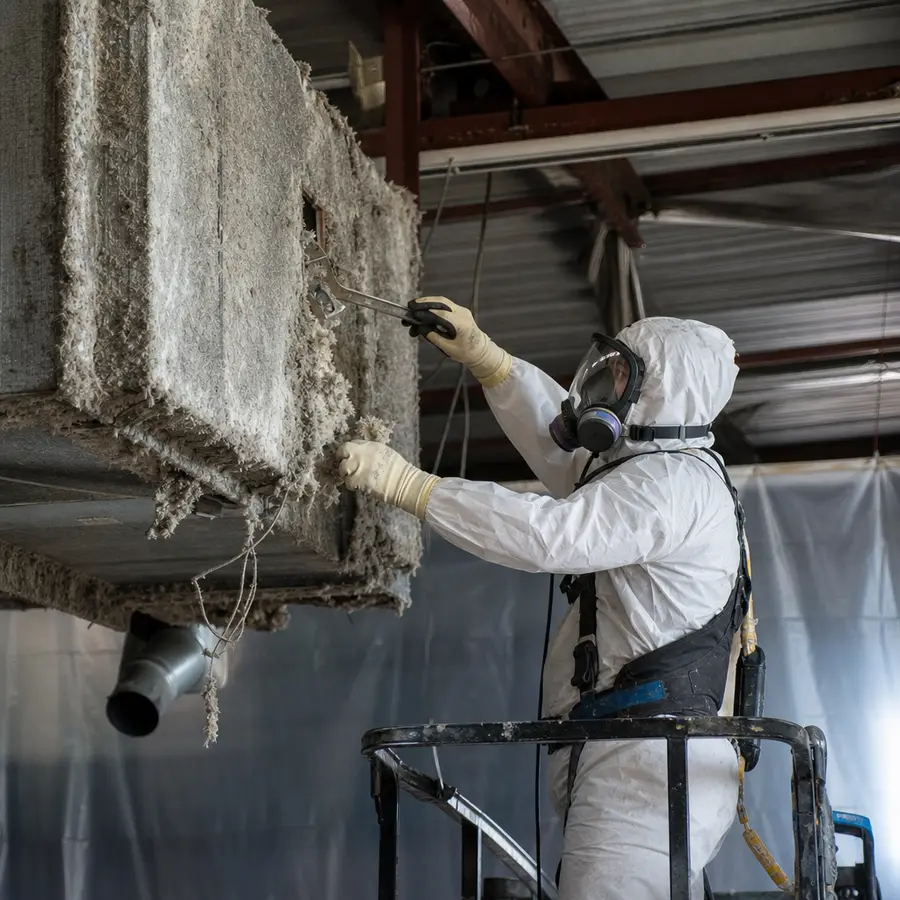
Commercial asbestos abatement requires more than removing a material from a room. It affects building access, worker safety, tenant schedules, regulatory duties, waste documentation, and the contractors who follow after the abatement is complete. Our commercial service supports property owners, facility managers, landlords, real estate teams, and general contractors who need asbestos-containing materials removed, repaired, or controlled before maintenance or construction proceeds. In Wichita Falls, older downtown buildings, oil-era commercial structures, mid-century retail spaces, warehouses, and repeatedly renovated offices may include asbestos in flooring systems, ceiling materials, insulation, fireproofing, roofing, and mechanical areas. We provide licensed, insured abatement services with practical planning, containment, disposal, and communication so business operations and construction schedules are handled as carefully as the materials themselves.
Commercial Materials and Building Areas
Commercial asbestos may be found in more places than a typical residential project. Common concerns include vinyl composition tile and mastic, spray-applied or troweled surfacing materials, pipe and boiler insulation, duct insulation, fire-rated assemblies, ceiling panels, roofing felts, transite panels, exterior panels, and wall systems in older tenant spaces. Because commercial buildings are often renovated in phases, asbestos-containing materials may be hidden under newer finishes or limited to certain suites, corridors, mechanical rooms, or back-of-house spaces. We review available reports, inspect the affected work area, and build an abatement scope around the actual construction plan. This helps owners avoid over-removal while still addressing regulated materials before crews disturb them.
Scheduling Around Tenants and Operations
Business properties often need abatement performed with minimal disruption to employees, tenants, customers, or ongoing construction. Depending on the project, work may be phased by room, suite, floor, or mechanical area. Containment barriers, access controls, negative air equipment, and work-zone signage help separate abatement activity from occupied or active areas. We coordinate start times, staging, waste routes, and completion needs so the project fits the realities of the property. For retail, office, warehouse, medical, or service spaces, clear communication is essential. Property managers need to know when an area is restricted, what work is occurring, when follow-up trades can enter, and what documentation will be provided after removal or encapsulation is complete.
Regulatory Documentation and Local Context
Commercial asbestos work is often subject to Texas Department of State Health Services rules, OSHA worker-protection requirements, and federal EPA NESHAP standards when renovation or demolition activities meet regulated criteria. Local building, renovation, or demolition permits may also involve the City of Wichita Falls depending on the project scope. Documentation can matter for owners, lenders, insurers, tenants, and contractors, especially in older commercial districts where building histories may be incomplete. We help organize the abatement process with written scope details, containment practices, waste handling, and completion information appropriate to the job. The aim is to reduce risk, keep the project defensible, and let the next trade proceed without uncertainty about suspect materials in the work area.
FAQs
Can commercial abatement be done after hours?
Many commercial projects can be scheduled in phases, evenings, or other agreed windows when the building and project conditions allow it. The best schedule depends on containment, access, and safety needs.
What documents should a building owner keep?
Keep inspection reports, lab results, abatement scope, waste shipment records where applicable, and completion documentation. These records can help with future renovations, leasing, sale, and compliance questions.